
Thursday, February 19, 9:00am–4:00pm ET | Online | 6 HSW/LUs
(1-hour break at noon)
$90 for AIA Members
Navigating Changes to NYS Uniform & Energy Codes Updates for Architects
Prepare for the next major update to New York State’s building regulations. This comprehensive six-hour course will guide participants through the significant changes to the adopted 2025 NYS Uniform and Energy Codes.
The session is organized in two parts and provides a detailed comparison of the current 2020 Codes and the 2025 editions, including:
- Key modifications to the Building Code of NYS (BCNYS) affecting definitions, building height and area, occupancy, construction types, and passive protection.
- Updates to means of egress and accessibility provisions, including major revisions in the ICC A117.1–2017 (with Supplement 1) accessibility standard.
- Significant adjustments in the Existing Building Code (EBCNYS) and the Energy Conservation Construction Code (ECCCNYS) for both commercial and residential applications.
- Changes within the Residential Code, and a summary of updates to the Fire, Mechanical, Plumbing, and Fuel Gas Codes.
By the end of this course, attendees will be able to interpret the the 2025 Code changes, identify and apply key changes across code categories, and prepare their practices for compliance with the new standards once they take effect.
▼Learning Objectives
- Interpret current status of 2020 NYS Codes and adopted 2025 Uniform & Energy Codes
- Identify the significant changes between the current 2020 BCNYS and the upcoming BCNYS to be adopted relative to definitions, building height/area, occupancy, construction types, and passive protection
- Specify the main changes coming for means of egress and accessibility, including significant changes between the 2009 and 2017 (with Supplement 1) editions of the ICC/A117.1 accessibility standard, and changes relative to structural and special construction and safety provisions in Chapters 16-35 of the BCNYS
- Explain the significant changes between the current 2020 EBCNYS and the upcoming Existing Building Code of NYS, as well as the changes between the 2020 ECCCNYS and the upcoming adopted Energy Conservation Construction Code of NYS; Commercial & Residential
- Describe the significant adopted changes in the upcoming Residential Code of NYS
- Discuss major code changes between the 2020 FCNYS, MCNYS, PCNYS, FGCNYS, and the upcoming adopted Fire Code, Mechanical, Plumbing, and Fuel Gas Codes of NYS
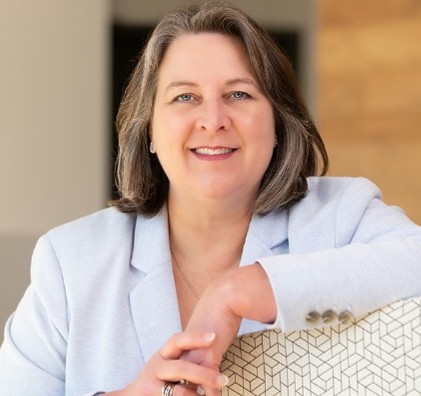
Instructor: Laura M. Cooney, AIA
Laura M. Cooney, AIA, has more than 30 years of combined experience in architecture, management, code consulting, and code training. Her architectural experience consists mainly of health care, governmental, and commercial facilities. Laura has successfully designed and presented many programs covering code training for the transition to new code editions in NYS, overview courses, and more detailed or custom courses. The presentations are geared toward design professionals and AIA chapters around the state, but facility personnel, contractors, and owners also benefit from the information provided.
Registration Fees:
Early Bird (until 1/23/26) – AIA Member $90 | Non-Member $150
Standard (after 1/24/26) – AIA Member $115 | Non-Member $175